

Lucknow, the culturally rich capital of Uttar Pradesh, presents a fascinating destination for travelers seeking to experience authentic Indian heritage, cuisine, and hospitality. But what’s it like to explore this historic city if you’re a traveler with mobility challenges or other disabilities? Lucknow for Disabled Travelers : The honest answer involves both encouraging developments and persistent challenges. While Lucknow has made significant strides in accessibility in recent years—particularly with its modern metro system and improved infrastructure—it still has considerable ground to cover compared to more developed tourist destinations.
This guide aims to provide realistic, practical information for disabled travelers considering a visit to Lucknow. Rather than painting an overly optimistic picture or discouraging you entirely, I’ll walk you through what’s genuinely accessible, what requires workarounds, and what might prove too challenging depending on your specific needs. Lucknow is absolutely visitable for many disabled travelers, especially those traveling with companions, but successful navigation requires advance planning, flexibility, and realistic expectations. Let’s explore how to make your Lucknow experience as smooth and enjoyable as possible.
Current State of Accessibility in Lucknow
Progress and Challenges
Lucknow’s accessibility landscape has improved noticeably over the past decade, driven partly by government initiatives promoting inclusive infrastructure and partly by the metro system’s construction, which incorporated accessibility features from its design phase. Modern shopping malls, newly constructed hotels, and recently renovated historical sites now include ramps, accessible washrooms, and designated parking—features virtually absent just ten years ago.
However, significant challenges remain. The older parts of the city—where many historical monuments and traditional markets are located—feature narrow lanes, uneven surfaces, and buildings with multiple steps and no elevators. Sidewalks, where they exist, often become parking spaces or vendor areas, forcing pedestrians into streets alongside chaotic traffic. Public awareness about disability rights and accommodation, while growing, remains limited compared to Western countries. You’ll encounter both heartwarming helpfulness from strangers and frustrating indifference or lack of understanding about accessibility needs.
Comparing Lucknow to Other Indian Cities
Among Indian cities, Lucknow sits somewhere in the middle regarding accessibility. It’s more advanced than smaller cities and many historical towns but lags behind metro areas like Delhi, Bangalore, and Mumbai in comprehensive accessible infrastructure. Delhi, as the national capital, has invested heavily in accessible metro systems, government buildings, and tourism sites. Bangalore’s IT sector influence has driven corporate accessibility standards upward. Mumbai’s crowded urban density creates challenges, but its longer exposure to international tourism has pushed accessibility improvements.
Lucknow’s advantage lies in its more manageable size and slightly less overwhelming traffic compared to mega-cities. Distances between major attractions are shorter, and the pace of life is somewhat gentler—factors that can make navigating challenges less exhausting for disabled travelers. The city’s renowned hospitality culture also means that once people understand your needs, they’ll often go out of their way to help, even if formal accessibility infrastructure is lacking.
Accessible Accommodation Options
Hotels with Disability-Friendly Features
Finding genuinely accessible accommodation in Lucknow requires careful research, but options exist across price ranges. International chain hotels—Marriott, Hyatt, Radisson, and similar brands—generally offer the most reliable accessibility features, including accessible rooms with roll-in showers, grab bars in bathrooms, wider doorways, and lower switches and controls. These hotels train staff on disability assistance and maintain equipment like shower chairs or raised toilet seats that can be provided upon request.
Mid-range hotels are more variable. Some newer properties in areas like Gomti Nagar advertise accessible features, but what they offer varies dramatically. Some provide genuine accessibility with proper ramp gradients and spacious bathrooms; others simply have ground-floor rooms with a ramp at the entrance but standard bathroom configurations that wheelchair users might find impossible to navigate. Always verify specific features rather than accepting vague assurances about being “wheelchair-friendly.”
What to Look for When Booking
When researching hotels, ask specific questions rather than general ones. Instead of “Are you wheelchair accessible?”, inquire about: exact door widths (minimum 32 inches for standard wheelchairs); bathroom layout including shower accessibility and grab bar placement; distance from parking to room entrance; availability of accessible routes to restaurants, pools, and common areas; and whether the hotel has wheelchairs available for guest use. Request photos of accessible rooms and bathrooms—many hotels will email these upon request.
Booking platforms sometimes incorrectly list properties as accessible, so always contact hotels directly to confirm. Speaking with the front desk manager or reservations supervisor rather than general booking staff often yields more accurate information. Mention any specific equipment you’re traveling with (wider wheelchairs, mobility scooters, etc.) to ensure adequate space. Booking through travel agents specializing in accessible travel, while potentially costing more, can save considerable stress through their experience verifying actual accessibility.
Budget to Luxury Accessible Stays
Luxury options like the Taj Mahal Lucknow, Renaissance Lucknow, and Hyatt Regency offer the most comprehensive accessibility features. These properties maintain international standards with properly designed accessible rooms, staff training on disability assistance, and generally well-maintained accessibility features throughout the property. Expect to pay ₹6,000-15,000 per night depending on season and specific room type.
Mid-range options (₹2,500-6,000 per night) include properties like Lemon Tree Hotel, Clarks Avadh, and some business hotels in Gomti Nagar. These often have one or two accessible rooms and basic accessibility features, though consistency varies. The advantage of business hotels is that they’re often newer buildings designed with some accessibility in mind, even if not comprehensive. Always verify the specific room you’ll be assigned rather than assuming all rooms match advertised features.
Specific Hotel Recommendations
Based on feedback from disabled travelers and accessibility assessments, several Lucknow hotels stand out. The Marriott Hotel Lucknow receives consistently positive reviews for accessibility, with multiple properly designed accessible rooms, helpful staff, and good connectivity to the metro system. The Hyatt Regency Lucknow offers excellent accessibility in a slightly quieter location, with beautiful grounds that include accessible pathways.
For mid-range budgets, the Lemon Tree Hotel Lucknow maintains good accessibility standards typical of this chain, which prioritizes disability-friendly design across its properties. The Clarks Avadh, while an older property, has undergone renovations that improved accessibility, particularly in its newer wing. For those seeking homestay experiences, a few carefully selected properties in Gomti Nagar offer ground-floor accessible rooms, though this requires thorough vetting through direct communication with hosts.
Airport Accessibility
Chaudhary Charan Singh International Airport has made considerable progress in accessibility, though it’s not yet completely barrier-free. The terminal features ramps, elevators, and dedicated assistance for disabled passengers. Airlines operating at Lucknow offer wheelchair assistance from entry through security, boarding, and upon arrival—services you should request when booking tickets or at least 48 hours before departure.
The airport provides wheelchairs, though the number can be limited during peak times, so bringing your own if possible provides more independence. Accessible washrooms exist in both pre-security and post-security areas, though they’re not always optimally maintained. Parking includes designated disabled parking spaces near the terminal entrance, and the pickup/drop-off area is relatively close to terminal doors, minimizing exposure to weather and long distances.
Facilities at Chaudhary Charan Singh International Airport
Inside the terminal, counters and information desks are accessible, and staff are generally responsive to assistance requests, though English proficiency varies. Security screening accommodates mobility devices and medical equipment, though be prepared for thorough checks and occasional confusion about certain equipment types. Having medical documentation for equipment and prescriptions helps smooth this process.
Ground transportation from the airport poses more challenges. Pre-paid taxi counters exist, but the vehicles aren’t specifically adapted for wheelchair users. If you need an accessible vehicle, arranging private transport through your hotel or an accessible transport service before arrival proves most reliable. App-based services from the airport can be hit-or-miss regarding vehicle accessibility—regular sedans dominate, with limited accessible options.
Railway Station Accessibility
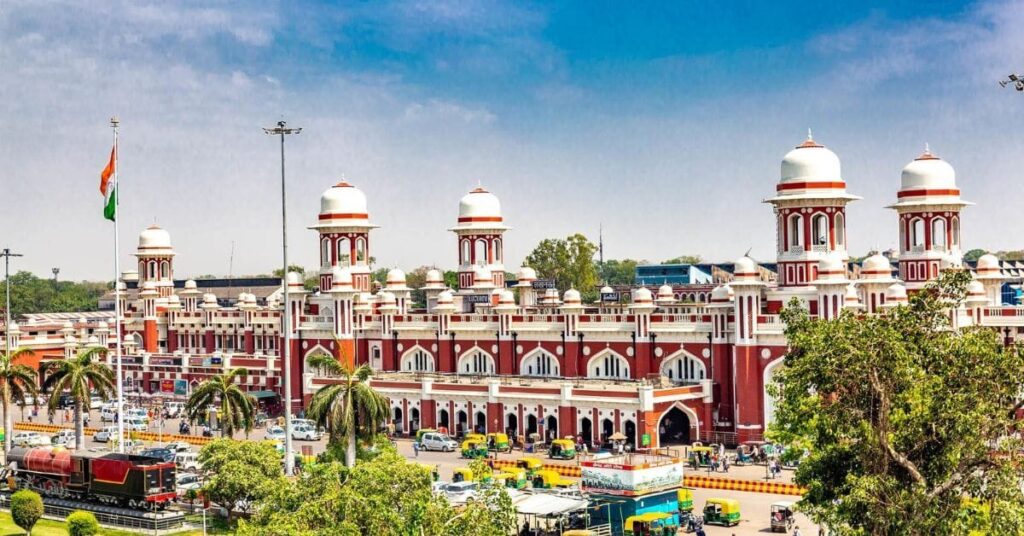
Lucknow’s main railway stations—Charbagh (Lucknow Junction) and Gomti Nagar—have implemented accessibility improvements including ramps, elevators, and accessible washrooms, though the age and condition of infrastructure varies. Charbagh, being older, presents more challenges with narrower platforms and sometimes non-functioning elevators. Gomti Nagar station, being newer, offers better accessibility with wider platforms and more reliable elevator service.
Indian Railways provides wheelchair assistance at major stations through “divyangjan” (person with disability) facilitation counters. This free service, when booked in advance, provides staff to assist from station entry through boarding. Accessible coaches exist on many trains—look for coaches with wheelchair spaces and accessible washrooms. Booking these spaces requires advance reservation through the special quota system. Online booking through the IRCTC website allows selecting wheelchair assistance and requesting accessible berths.
Metro System and Disabled-Friendly Features
Lucknow Metro represents the city’s most genuinely accessible public transportation, designed from inception with disability access in mind. All metro stations feature elevators connecting ground level to platforms, tactile paving for visually impaired passengers, accessible washrooms, and platform screen doors for safety. Stations have designated wheelchair spaces, and staff are trained to assist disabled passengers.
Metro trains include designated wheelchair spaces in each coach, priority seating near doors, and audio-visual announcements of upcoming stations. The gap between platform and train is minimal, and ramps or boarding assistance is available where needed. Trains run frequently during operating hours (roughly 6 AM to 10 PM), and the system connects several key areas including Charbagh railway station, key shopping areas, and some residential neighborhoods.
Elevators, Ramps, and Priority Seating
Each metro station has at least two elevators for redundancy, though both can occasionally malfunction simultaneously, leaving stations temporarily inaccessible to those who cannot use stairs. When functioning, elevators are spacious enough for wheelchairs and companions. Platform announcements instruct other passengers to allow priority access for disabled travelers, though compliance varies based on crowd density and passenger awareness.
Ramps supplement elevators at station entrances, designed at appropriate gradients for independent wheelchair navigation. Tactile paths guide visually impaired passengers from station entry to platforms. Station staff, identifiable by uniforms, will assist upon request—don’t hesitate to ask. The metro represents Lucknow’s best example of accessible public infrastructure and should be your primary transport choice when traveling between connected areas.
Local Transport Options for Disabled Travelers
Accessible Taxis and App-Based Services
Finding accessible taxis in Lucknow requires planning, as adapted vehicles with wheelchair ramps or lifts remain rare. App-based services like Uber and Ola operate extensively in Lucknow, but their standard fleets consist primarily of regular sedans. These work for passengers who can transfer from wheelchairs to car seats, with companions managing the wheelchair separately, but don’t accommodate passengers who must remain in wheelchairs during transport.
Some taxi services specifically advertise disabled-friendly vehicles, though availability is limited and advance booking essential. Companies like Accessible India and various local providers maintain small fleets of adapted vehicles—contact them days ahead, especially during busy seasons. Your hotel can often arrange accessible transport, either through their own vehicles or connections with reliable providers. This costs more than regular taxis but provides critical reliability for disabled travelers.
Auto-Rickshaws: Challenges and Solutions
Auto-rickshaws—Lucknow’s ubiquitous three-wheeled taxis—present significant accessibility challenges. Their design, with a high step up and narrow entrance, makes them impossible for many wheelchair users and difficult for others with mobility limitations. They lack seatbelts, and rides over Lucknow’s sometimes rough roads can be bumpy, potentially uncomfortable or unsafe for those with certain conditions.
However, for disabled travelers who can manage the step up with assistance, auto-rickshaws offer affordable, flexible transport for short distances. Drivers will often assist with boarding and help manage folding wheelchairs or walkers, storing them in the front beside the driver or tied to the back. Communication about your needs is essential—showing pictures or using translation apps helps convey requirements to drivers with limited English.
Negotiating Accessibility Needs
When using auto-rickshaws, negotiate fares before starting (meters often aren’t used) and clearly communicate your destination and any stops needed. If traveling with mobility equipment, establish upfront that the driver will help manage it—most will, but confirming prevents misunderstandings. For destinations requiring finding specific addresses in complicated areas, having destination names in Hindi and phone numbers to call for directions helps drivers navigate successfully.
Consider using app-based auto services like Rapido or the auto option in Uber/Ola where available—these provide fare transparency and GPS tracking, reducing negotiation needs. However, these drivers may be less prepared to assist with mobility equipment than traditional auto drivers familiar with regular disabled passengers. Building relationships with reliable drivers for multi-day stays in Lucknow—getting phone numbers and booking directly—often provides better service than hailing random autos.
Exploring Historical Monuments
Bara Imambara Accessibility
Bara Imambara, Lucknow’s most iconic monument, presents mixed accessibility. The main entrance area and the large central hall are accessible via ramps, allowing wheelchair users to experience this architectural marvel’s grand scale and unique echo-less central chamber. The famous Bhulbhulaiya (labyrinth) in the upper levels, however, remains inaccessible to wheelchair users and challenging for those with mobility limitations, involving numerous narrow passages and staircases.
Staff at the monument are generally helpful with disabled visitors, assisting where possible and sometimes offering alternative viewing options. Accessible washrooms exist on the grounds, though maintenance can be inconsistent. The compound’s uneven flooring—original stone surfaces that have settled over centuries—requires careful navigation. Visiting during cooler hours (early morning or late afternoon) and bringing companions to assist proves advisable.
Chota Imambara and Rumi Darwaza
Chota Imambara offers better accessibility than Bara Imambara, with its main structures accessible via relatively gentle ramps. The ground floor of the main building and the beautiful gardens can be enjoyed by wheelchair users, though interior sections involve some steps. The adjacent Rumi Darwaza (an iconic gateway) is accessible for viewing and photographing, as it’s a standalone arch rather than a building with interior access requirements.
These monuments’ outdoor nature means much of the experience—architectural appreciation, photography, and atmosphere—remains accessible even if not every interior corner can be reached. The surrounding areas have been somewhat improved with paving, though during monsoons, pathways can become muddy and challenging. Entry fees for disabled visitors are typically waived or reduced—carry any disability identification or certificates for verification.
Wheelchair Access and Assistance Available
Most major monuments now provide wheelchairs for visitor use free or for modest deposits, though availability isn’t guaranteed and the quality varies significantly. Some wheelchairs are poorly maintained or difficult to maneuver on uneven surfaces. If you have your own wheelchair or mobility device, bringing it provides better reliability and comfort. Monument staff increasingly receive training on assisting disabled visitors, though consistency varies by individual staff members and shifts.
Security screenings at monument entrances accommodate mobility devices and medical equipment, though unfamiliarity with certain equipment types can cause delays. Patience and clear explanation (aided by translation apps if needed) usually resolve issues. Some monuments allow companions of disabled visitors entry at reduced rates or free—inquire at ticket counters. Photography permissions and restrictions apply equally to all visitors regardless of disability.
British Residency Accessibility
The British Residency, a sprawling historical site with significant 1857 uprising heritage, presents accessibility challenges due to its ruined nature and large grounds. The main pathways connecting building ruins are relatively flat and manageable for wheelchair users, though the surfaces are uneven and potentially challenging for those with limited upper body strength or traveling independently.
Many of the individual building ruins require climbing steps or navigating rubble to enter, limiting access to exterior viewing only for some structures. However, the site’s historical significance and atmosphere can be appreciated even without entering every ruin. The cemetery area and many of the more intact structures are accessible. The site’s spread-out nature requires stamina—consider hiring a golf cart or similar vehicle if the site offers them, or planning a partial visit focusing on the most accessible sections.
Visiting Parks and Gardens
Ambedkar Memorial Park
Ambedkar Memorial Park, dedicated to social reformer Dr. B.R. Ambedkar and other Dalit movement leaders, represents one of Lucknow’s most accessible public spaces. This massive memorial complex features wide, smooth pathways, ramps throughout, and accessible washrooms. The park’s modern construction prioritized accessibility, making it genuinely navigable for wheelchair users and those with mobility challenges.
The monuments, statues, and buildings within the park are connected by paved paths suitable for wheelchairs. Shaded areas provide rest spots, and the generally flat terrain requires minimal physical exertion beyond the distances involved. Security is thorough but accommodating of mobility devices. The park’s cultural and political significance makes it a worthwhile visit, and its excellent accessibility makes it one of the easiest major attractions for disabled travelers to experience fully.
Janeshwar Mishra Park
Janeshwar Mishra Park, one of Asia’s largest parks, offers generally good accessibility across its vast grounds. Wide pathways suitable for wheelchairs and mobility scooters connect different areas, though the park’s enormous size means covering everything requires significant time and energy. The park features accessible washrooms, designated disabled parking, and mostly flat terrain with only gentle slopes.
The jogging tracks, gardens, and lake areas are all accessible, though some secondary paths leading to specific features might be less maintained. Battery-powered vehicles or golf carts for rent within the park (if available) help disabled visitors cover more ground comfortably. The park’s popularity, especially during evenings and weekends, means pathways can become crowded, requiring careful navigation through pedestrian traffic.
Pathways and Facilities for Wheelchair Users
Both parks maintain their pathways reasonably well, though monsoon seasons can create puddles and muddy patches that complicate wheelchair navigation. Morning visits often find paths in better condition and less crowded than afternoons and evenings. The parks provide benches and seating areas throughout—important for disabled visitors who need frequent rest breaks.
Water fountains and refreshment kiosks exist throughout both parks, though their accessibility varies. Some kiosks have steps or counters too high for easy wheelchair access, but staff will typically serve you outside if you request. The parks’ security guards and maintenance staff can direct you to accessible facilities and often assist if you encounter difficulties. These parks represent Lucknow’s commitment to creating inclusive public spaces, though ongoing maintenance of accessibility features requires continued attention.
Shopping Areas and Market Accessibility
Modern Malls vs. Traditional Markets
Modern shopping malls like Phoenix Palassio, Sahara Ganj, and Fun Republic offer the most accessible shopping experiences in Lucknow. These malls feature elevators, accessible washrooms, designated disabled parking, ramps, and generally smooth flooring. International and national chain stores within malls maintain accessibility standards consistent with their brand guidelines, making browsing relatively easy for disabled shoppers.
Traditional markets—Hazratganj, Aminabad, Chowk—present far greater challenges. These historic shopping areas feature narrow lanes, crowded footpaths, uneven surfaces, and buildings with steps. However, they offer unique shopping experiences and authentic local atmosphere impossible to replicate in modern malls. Disabled travelers who can manage some accessibility challenges or travel with assistants who can navigate into shops while they wait outside can still enjoy these markets, though it requires patience and flexibility.
Hazratganj Walking Street
Hazratganj, Lucknow’s premier shopping area, recently underwent pedestrianization of its main stretch, improving accessibility significantly. The car-free street features relatively smooth paving, wider pedestrian space, and benches for rest. However, entry points to individual shops often still involve steps, limiting actual shopping access despite improved street navigation.
The area’s bookstores, restaurants, and cafes vary in accessibility—some have ground-floor access and accommodating staff, while others remain inaccessible. Window shopping and street-side browsing are certainly possible, and the area’s ambiance and people-watching offer value even if detailed shopping proves challenging. Street food vendors and small eateries typically lack accessibility, but many will serve you curbside if you request.
Accessible Shopping Experiences
For disabled travelers, combining modern mall shopping with selective traditional market visits creates the best experience. Handle practical shopping needs (clothing, supplies, souvenirs) at accessible malls, then make shorter, more atmospheric visits to traditional markets for experiences and specific items that companions can help acquire. Many local handicraft and textile shops in markets will bring items outside for viewing if you explain accessibility needs.
Online shopping with hotel delivery provides another option for souvenirs and gifts if mobility challenges make physical shopping too difficult. Many Lucknow specialty shops—chikankari embroidery, attar (traditional perfumes), traditional sweets—now maintain online presences or will arrange hotel delivery if you call. This ensures you access Lucknow’s famous products without accessibility barriers limiting your options.
Restaurant and Dining Accessibility
Disability-Friendly Restaurants
Lucknow’s restaurant scene spans from accessible modern establishments to challenging traditional eateries. Restaurants in major hotels, modern malls, and newer standalone buildings generally provide good accessibility with ground-floor or elevator access, accessible washrooms, and appropriate table spacing for wheelchair navigation. Many fine-dining establishments prioritize accessibility as part of their premium service standards.
Mid-range restaurants are more variable. Fast-food chains and larger restaurants in commercial areas typically have at least ground-floor access and manageable interiors. Smaller local restaurants, especially those in older buildings or upper floors of commercial structures without elevators, remain inaccessible. When researching restaurants, check Google Maps reviews for mentions of accessibility or directly call to inquire about ground-floor access, restroom accessibility, and table arrangements.
Traditional Lucknowi Cuisine Venues
Experiencing authentic Lucknowi cuisine—Awadhi food with its famous kebabs, biryanis, and kormas—is essential to visiting the city, but many iconic eateries occupy older buildings with accessibility challenges. Restaurants like Tunday Kababi (both the Aminabad and newer locations) have ground-floor seating areas, though spaces can be cramped during peak times, making wheelchair navigation tight. Companions can order takeaway from any restaurant and enjoy meals in more accessible locations like hotel rooms or parks.
Several newer restaurants serving traditional Lucknowi cuisine have opened in more accessible locations—Oudhyana at the Taj Hotel, Falaknuma at Clarks Avadh, and similar hotel restaurants combine authentic cuisine with full accessibility. While potentially more expensive than street-side eateries, they guarantee accessible dining experiences without compromising on authentic flavors that define Lucknow’s culinary heritage.
Ground Floor and Accessible Seating
When dining out, calling ahead to reserve ground-floor tables near entrances minimizes navigation through crowded restaurant interiors. Explain accessibility needs when booking—many restaurants will accommodate by selecting optimal seating and preparing staff to assist. Lunch hours (1:00-3:00 PM) and early dinner hours (6:00-8:00 PM) are typically less crowded than peak dinner times, making restaurant navigation easier for disabled diners.
Buffet-style restaurants, popular in Lucknow’s hotels, require considering whether buffet lines are navigable and whether servers can assist with plate preparation if needed. Most hotel staff happily accommodate requests to bring buffet items to tables for guests with mobility limitations. Indian dining culture values hospitality highly, and staff will typically go out of their way to ensure disabled guests eat comfortably once they understand the needs.
Medical Facilities and Emergency Services
Hospitals with Accessibility Features
Lucknow hosts several good hospitals with reasonable accessibility, important information for disabled travelers who may need medical attention or routine care during their stay. Hospitals like Sahara Hospital, Medanta, and Ram Manohar Lohia Hospital feature ramps, elevators, and accessible washrooms, with staff trained in assisting patients with disabilities beyond just their specific medical conditions.
For routine medical needs—prescription refills, consultations for minor issues, physical therapy—these facilities provide accessible care. Emergency departments are equipped to handle urgent situations, though accessibility of specific treatment areas varies. Travel insurance covering medical evacuation provides peace of mind for disabled travelers with complex medical needs, ensuring that serious situations could be managed through transfer to facilities with comprehensive accessibility if needed.
Pharmacies and Medical Supply Stores
Pharmacies are ubiquitous in Lucknow, though accessibility varies. Chain pharmacies like Apollo Pharmacy and MedPlus typically occupy ground-floor locations in commercial areas with reasonable access. Many operate 24 hours, crucial for urgent medication needs. Pharmacists often speak English and can help identify equivalent medications if you run out of prescriptions, though bringing adequate supplies plus extras for trip extensions is always advisable.
Medical supply stores selling mobility equipment, disability-related supplies, and assistive devices exist in Lucknow, primarily in areas near hospitals. These can provide replacement parts, consumable medical supplies, or rental equipment if needed. Your hotel concierge or hospital staff can direct you to appropriate stores based on your specific needs.
Finding Disability-Related Equipment
If traveling with specialized equipment, bringing backup parts and repair supplies proves wise, as finding exact replacements in Lucknow may be difficult or impossible. For standard wheelchairs and mobility aids, basic repair services exist at medical supply stores, though technicians may be unfamiliar with advanced imported equipment. Some orthopedic hospitals have technical staff who might assist with equipment issues if approached politely.
Consider registering your equipment with manufacturers’ international service programs before traveling, which sometimes provide support contact information for international locations. For electronic mobility devices or advanced equipment, contacting disability advocacy organizations in Lucknow before your trip can identify potential technical support resources if problems arise.
Practical Tips for Disabled Travelers
Planning Your Trip in Advance
Successful accessible travel to Lucknow requires more advance planning than some destinations. Research accommodations thoroughly, pre-book accessible rooms, and confirm features directly with hotels rather than trusting booking site listings. Arrange airport/railway station transfers before arrival—don’t depend on finding accessible transport upon landing. Create detailed itineraries allowing time buffers for accessibility challenges that inevitably take longer than standard travel.
Connect with disability advocacy organizations or travel groups specializing in accessible India travel. Organizations like Accessible India, Enable Travel, and various online communities provide current information, personal experiences, and practical tips that guidebooks miss. Social media groups for disabled travelers to India share recent experiences, accommodation recommendations, and problem-solving strategies from people who’ve actually navigated these challenges.
Traveling with Attendants or Companions
Many disabled travelers find visiting Lucknow far more manageable when traveling with companions or paid attendants. Companions help navigate accessibility gaps—carrying wheelchairs over obstacles, shopping in inaccessible stores while you wait outside, communicating needs to service providers with limited English, and providing physical assistance when ramps and elevators are absent or non-functional.
If hiring local attendants, some agencies in Lucknow provide trained caregivers familiar with disability support and local navigation. Hotels may also connect you with reliable service providers. Clearly discuss rates, hours, specific duties, and language capabilities before committing. For travelers from abroad, bringing trusted attendants from home eliminates communication challenges and ensures familiarity with your specific needs and equipment.
Documentation and Medical Certificates
Carry comprehensive medical documentation including diagnosis letters, equipment prescriptions, and medication lists with both brand and generic names. Indian authorities occasionally question medical equipment or large medication quantities—proper documentation prevents problems. Some attractions offer disability concessions requiring proof—official disability certificates from your home country usually suffice, though carrying multiple forms of documentation (including photos of documentation on your phone) provides backup.
Travel insurance documentation should be immediately accessible, including emergency contact numbers and coverage details. Some disabled travelers find that letters from physicians explaining their condition, limitations, and necessary accommodations help when communicating needs to hotels, tour operators, or transport providers, bridging language and cultural understanding gaps.
Assistive Technology and Equipment Rental
Where to Rent Wheelchairs and Mobility Aids
Several medical supply stores and organizations in Lucknow rent wheelchairs and basic mobility aids, though options are limited compared to Western countries. Hospitals like Sahara and Medanta sometimes rent equipment for short-term use, primarily targeting patients but occasionally accommodating travelers. Rental costs are generally modest (₹100-500 per day depending on equipment type), though deposits may be required.
Equipment rental quality varies significantly—wheelchairs might be basic models not suitable for extensive use over rough terrain. If possible, bringing your own equipment provides better reliability and comfort. For travelers flying in who cannot bring full equipment, renting basic wheelchairs in Lucknow for backup or specific situations (keeping your own equipment at the hotel while using a rental for outings where loss or damage risk is higher) represents a practical compromise.
Repair Services for Mobility Equipment
Finding skilled repair services for sophisticated mobility equipment can be challenging in Lucknow. Basic wheelchair repairs—fixing flat tires, tightening bolts, replacing simple parts—can be handled by bicycle repair shops, which exist throughout the city. These mechanics are resourceful and can often improvise solutions to simple mechanical problems, though they won’t have spare parts for specific wheelchair models.
For more complex repairs, the technical departments of larger hospitals or medical equipment suppliers represent your best options. Bringing basic repair kits, spare parts for your specific equipment, and knowing how to perform minor repairs yourself prevents small problems from disrupting your trip. Travel insurance that covers equipment replacement might be worthwhile for travelers dependent on expensive, specialized mobility devices.
Cultural Sensitivity and Local Attitudes
How Indians Approach Disability
Indian cultural attitudes toward disability differ from Western perspectives in ways that disabled travelers should understand. Traditional views sometimes see disability through a karmic lens, though this is changing rapidly with education and advocacy. You might encounter excessive attention—staring, questions, or people trying to touch or pray over you—that feels invasive by Western standards but often comes from curiosity or misplaced helpfulness rather than malice.
Simultaneously, you’ll often experience extraordinary helpfulness—strangers offering assistance, people going far out of their way to help, and general kindness that can be deeply moving. Indian culture values helping those in need, and many people will eagerly assist once they understand what you require. The key is communicating needs clearly (or having companions who can) and accepting help graciously while also setting boundaries on unwanted assistance.
Communication Tips and Seeking Help
Language barriers complicate seeking help, as English proficiency varies widely. Learning a few Hindi phrases helps immensely: “Madad chahiye” (I need help), “Dhanyavaad” (Thank you), “Kripya” (Please). Translation apps on smartphones bridge most communication gaps—having destinations written in Hindi script and photos illustrating your needs facilitates understanding when verbal communication fails.
Don’t hesitate to ask for help—Indians generally respond positively to polite requests. Hotels, in particular, take guest assistance seriously and will work to solve problems. If a service provider seems not to understand accessibility needs, politely persist or ask to speak with supervisors or managers who may have more experience or authority to make accommodations. Patience, politeness, and appreciation for efforts go far, even when solutions aren’t perfect.
Resources and Contact Information
Disability Organizations in Lucknow
Several organizations in Lucknow work on disability rights and can provide information or assistance to travelers. Narayan Seva Sansthan, Jaipur Foot Trust, and various local NGOs focus on disability issues, and while primarily serving local populations, they may offer guidance, equipment loans, or connections to accessible services for travelers. Contacting these organizations before your trip can provide current ground-level information about accessibility that guidebooks and websites might miss.
The Uttar Pradesh State Commissioner for Persons with Disabilities office in Lucknow addresses disability rights issues and might provide information about accessible facilities and services. While bureaucratic processes can be slow, they maintain lists of accessible public facilities and can sometimes intervene if you encounter serious accessibility discrimination at government-run facilities or services.
Helpline Numbers and Support Services
Keep important contact numbers readily accessible on your phone and in written form. The general emergency number in India is 112, which connects to police, ambulance, and fire services. Tourist helplines—UP Tourism operates helplines that sometimes assist travelers with problems including accessibility issues. Your country’s embassy or consulate in Delhi or Lucknow (if they maintain offices here) can provide support in serious situations.
Your hotel should be your primary point of contact for assistance—front desk numbers, concierge services, and management contacts. Many modern hotels have 24-hour guest services that can arrange emergency transport, medical assistance, or help solve unexpected accessibility problems. Registering with your embassy’s travel registration service before arrival ensures they can contact you in emergencies and provides another resource if serious problems arise.
Conclusion
Traveling to Lucknow as a disabled person requires realistic expectations, thorough planning, and flexibility, but it’s absolutely achievable and can be deeply rewarding. The city’s rich cultural heritage, extraordinary cuisine, and warm hospitality offer experiences worth the extra effort accessibility challenges demand. While Lucknow isn’t yet fully accessible by international standards, it has made significant progress, and the gaps can often be bridged through advance planning, traveling with companions, and utilizing the helpful resources available.
The key to successful accessible travel in Lucknow lies in balancing ambition with pragmatism. Research your specific accessibility needs against what Lucknow realistically offers. Focus on what’s genuinely accessible rather than struggling with what isn’t. Embrace the aspects of Indian culture that work in your favor—the helpfulness of people, the willingness to improvise solutions, and the generally accommodating attitude once your needs are understood. Accept that some challenges will arise and view problem-solving as part of the adventure rather than trip-ruining obstacles.
Lucknow welcomes disabled travelers willing to meet the city halfway—bringing patience, preparation, and open-mindedness in exchange for access to one of India’s most culturally rich destinations. The metro system, improving accommodation options, and growing awareness of accessibility needs point toward a more inclusive future. Your visit contributes to that progress, demonstrating demand for accessibility and helping service providers understand and meet disabled travelers’ needs. The city of Nawabs extends its legendary hospitality to all visitors, and with proper planning, disabled travelers can absolutely experience the magic that makes Lucknow unforgettable.
FAQs
1. Is Lucknow Metro fully wheelchair accessible?
Yes, Lucknow Metro is the city’s most comprehensively accessible public infrastructure. All stations feature elevators connecting ground level to platforms, accessible washrooms, tactile paving for visually impaired passengers, and wide platforms with minimal gaps to trains. Each metro coach includes designated wheelchair spaces and priority seating. Staff receive training in assisting disabled passengers, and audio-visual announcements aid navigation. However, occasional elevator malfunctions can temporarily make stations inaccessible to those unable to use stairs, so checking real-time service status or having backup plans helps. Overall, the metro represents genuinely accessible transport that wheelchair users and others with mobility challenges can use independently or with minimal assistance.
2. Can I rent wheelchairs or mobility equipment in Lucknow?
Limited wheelchair rental options exist in Lucknow, primarily through medical supply stores and some hospitals like Sahara Hospital and Medanta. Rental wheelchairs are typically basic manual models suitable for temporary use but not ideal for extensive navigation of Lucknow’s sometimes rough terrain. Rental costs range from ₹100-500 per day with deposits required. Major monuments sometimes provide wheelchairs for visitor use, though availability and quality vary. For disabled travelers, bringing your own mobility equipment provides better reliability, comfort, and suitability to your specific needs. If flying without equipment is necessary, arranging rentals through your hotel or disability organizations before arrival ensures equipment availability upon your arrival.
3. Which Lucknow hotels offer the best accessibility features?
International chain hotels provide the most reliable accessibility: Taj Mahal Lucknow, Marriott Hotel Lucknow, Hyatt Regency Lucknow, and Renaissance Lucknow maintain international accessibility standards with properly designed accessible rooms, roll-in showers, grab bars, wider doorways, and staff trained in disability assistance. Mid-range options like Lemon Tree Hotel Lucknow and Clarks Avadh offer reasonable accessibility at lower price points. When booking any hotel, confirm specific accessibility features directly—room and bathroom dimensions, shower accessibility, distance from parking to rooms, and availability of accessible routes to facilities. Request photos of accessible rooms and bathrooms to verify claims before finalizing reservations, as “wheelchair accessible” descriptions aren’t always accurate.
4. Are Lucknow’s historical monuments accessible for wheelchair users?
Accessibility at historical monuments varies considerably. Bara Imambara’s main hall and entrance area are accessible via ramps, but the famous Bhulbhulaiya (labyrinth) in upper levels is inaccessible. Chota Imambara offers better accessibility with gentle ramps to main structures. The British Residency has relatively flat main pathways but individual building ruins often require steps. Rumi Darwaza, being an archway, is accessible for viewing and photography. Most monuments provide wheelchairs for visitor use (availability and quality vary), and staff generally assist disabled visitors. Much of the architectural appreciation and photography remains accessible even when every interior space cannot be reached. Carrying disability identification may qualify you for reduced or waived entry fees at government-managed monuments.
5. What should I do if I encounter accessibility problems during my Lucknow visit?
If accessibility problems arise, your hotel should be your first point of contact—front desk and concierge staff can help arrange alternative transportation, contact accessible services, or solve immediate problems. For serious issues at government facilities or discrimination based on disability, the UP State Commissioner for Persons with Disabilities office can potentially intervene. Document problems with photos and written notes if they’re significant. Disability advocacy organizations in Lucknow like Narayan Seva Sansthan might provide advice or assistance. For emergencies, dial 112 for emergency services, and contact your embassy or consulate if serious problems aren’t resolved locally. Most problems result from infrastructure limitations or lack of awareness rather than discrimination, and polite, persistent communication with supervisors or managers usually produces helpful responses and reasonable accommodations.





Comments are closed.